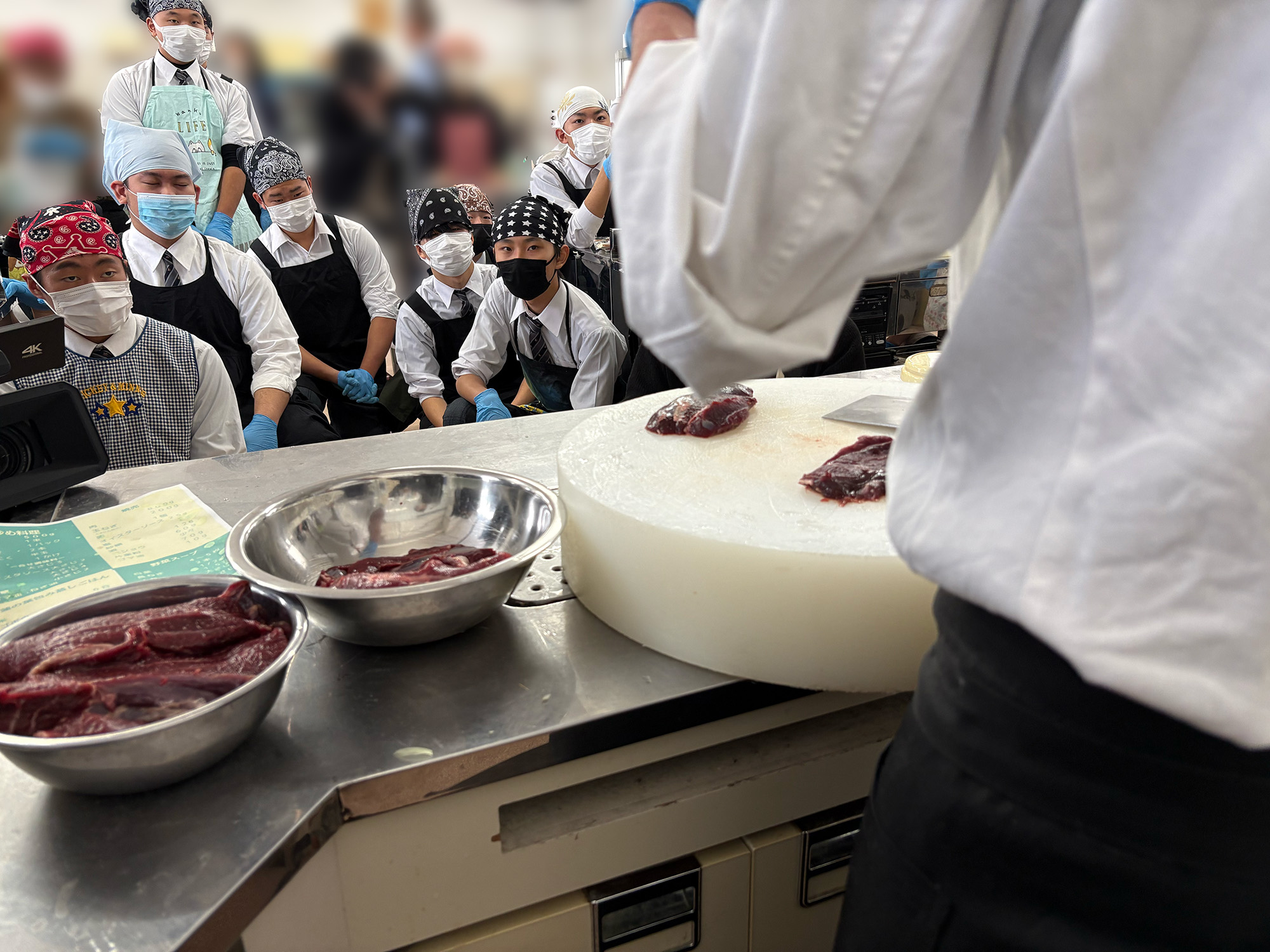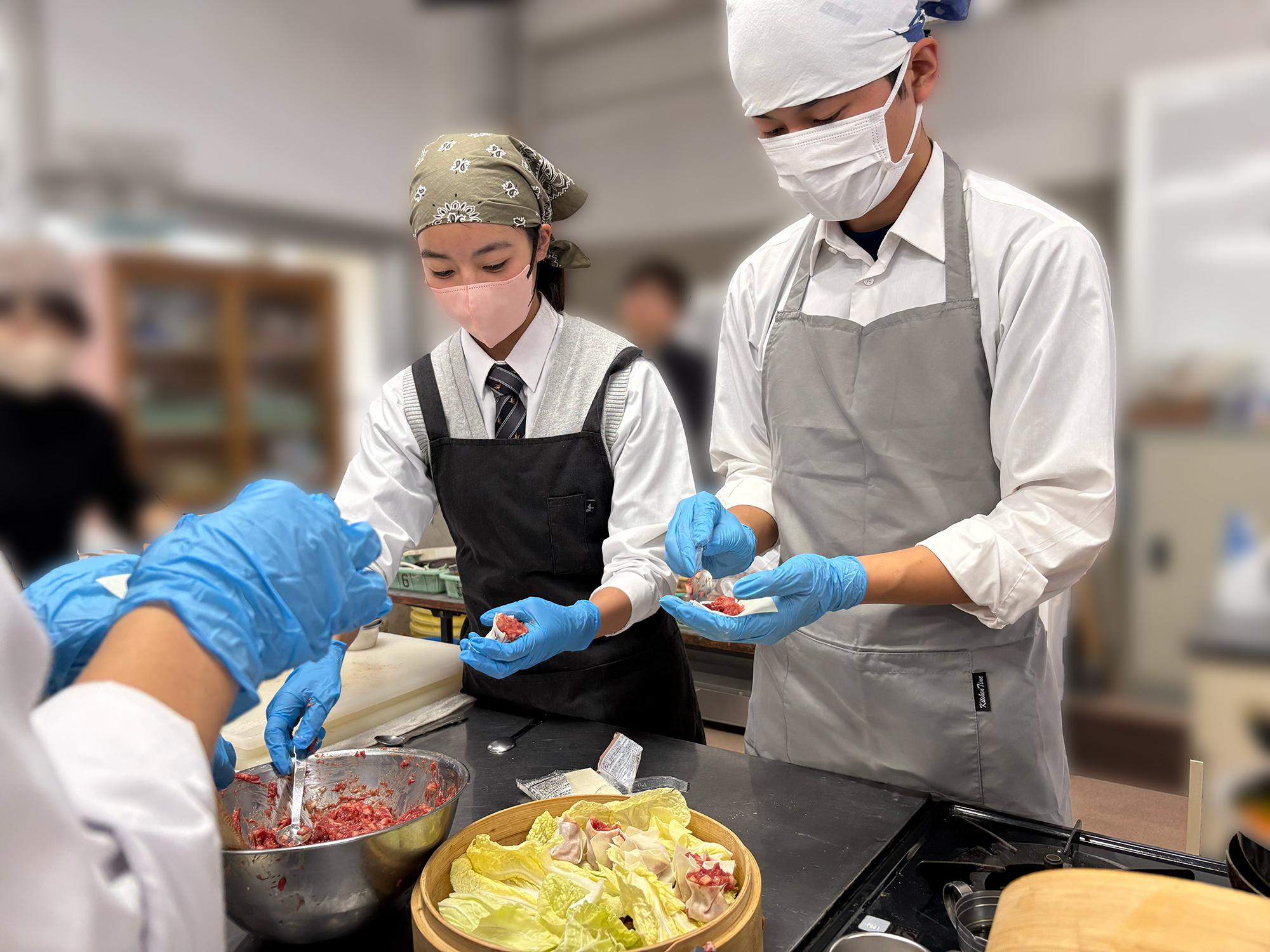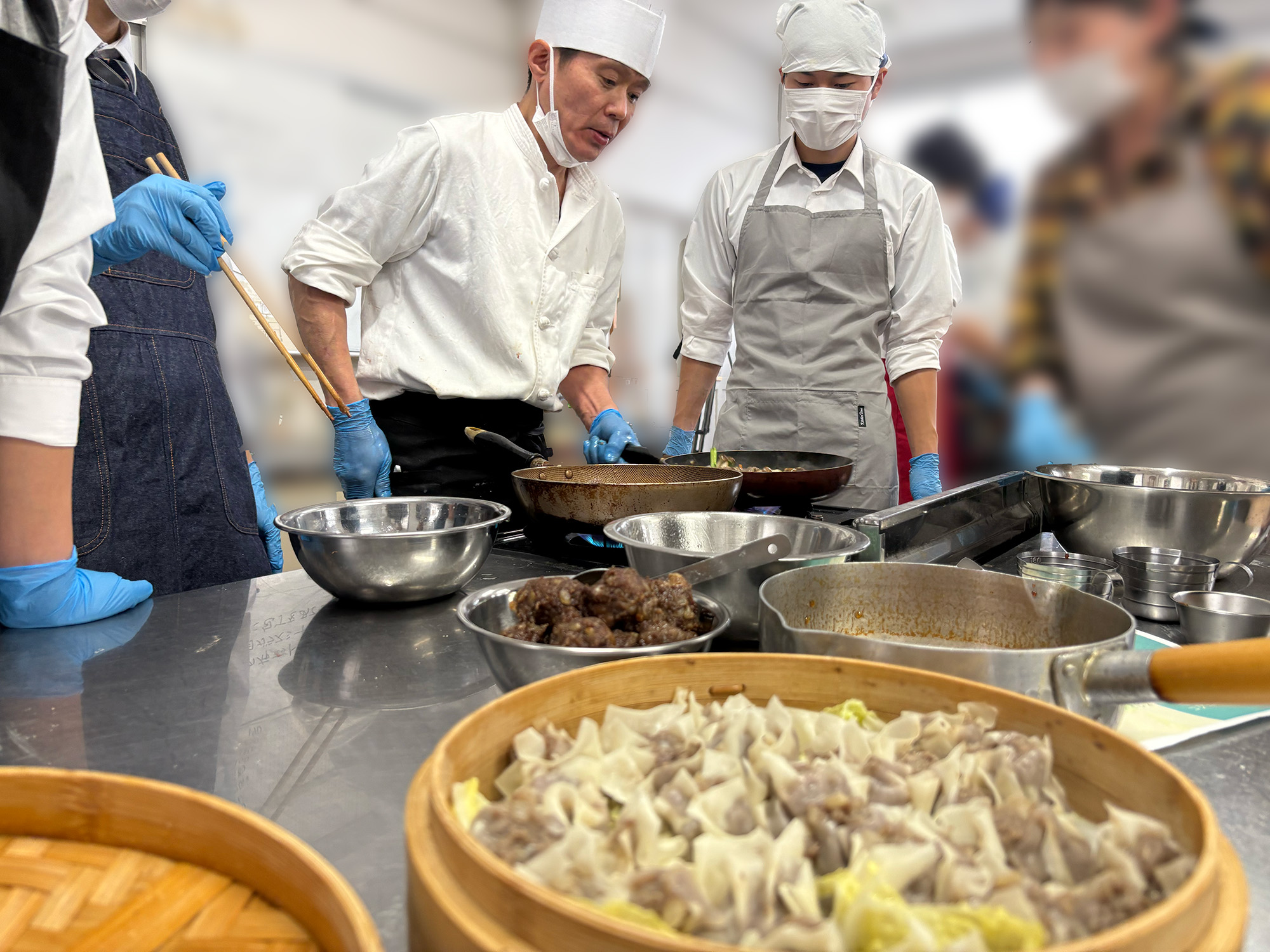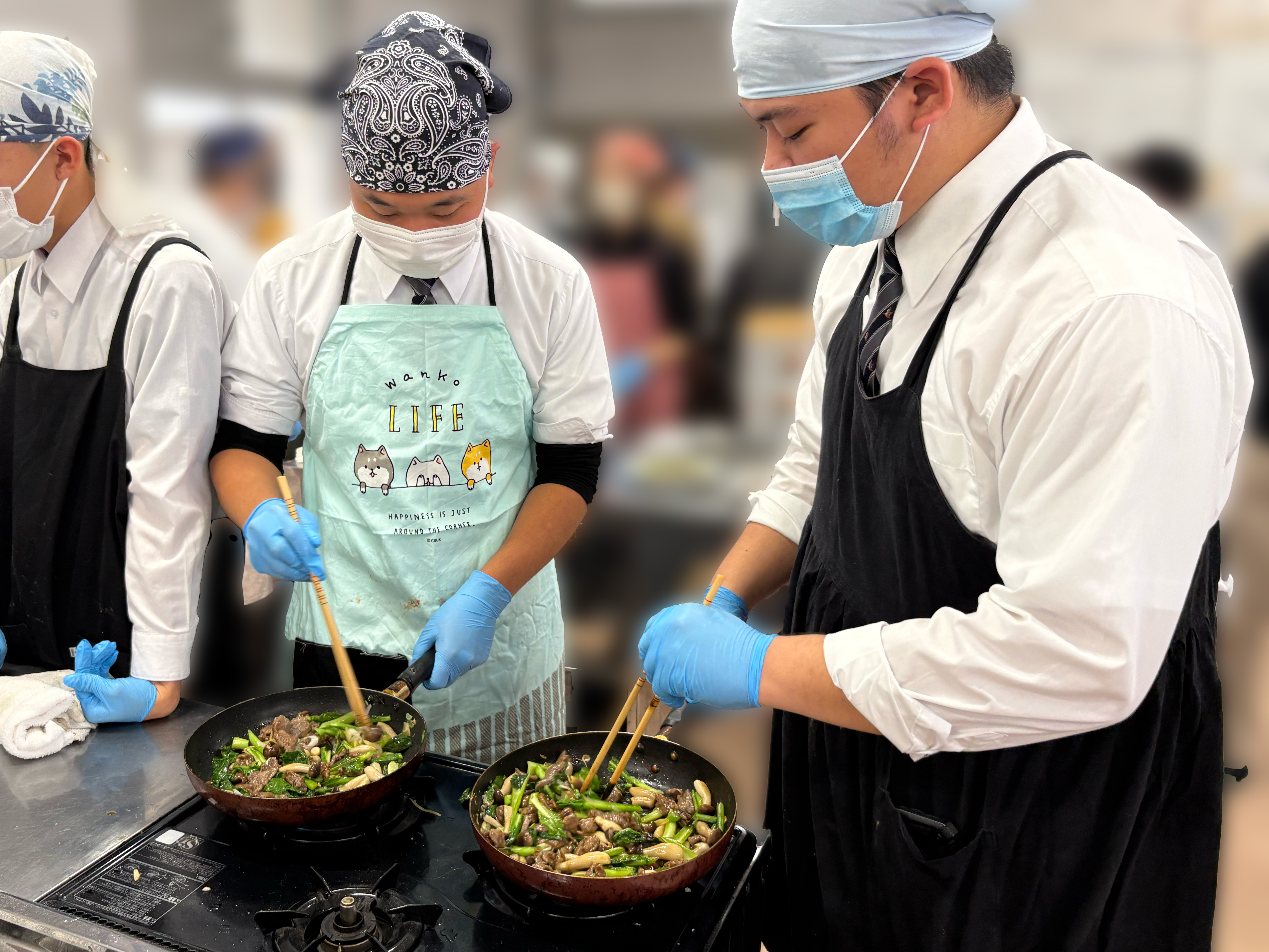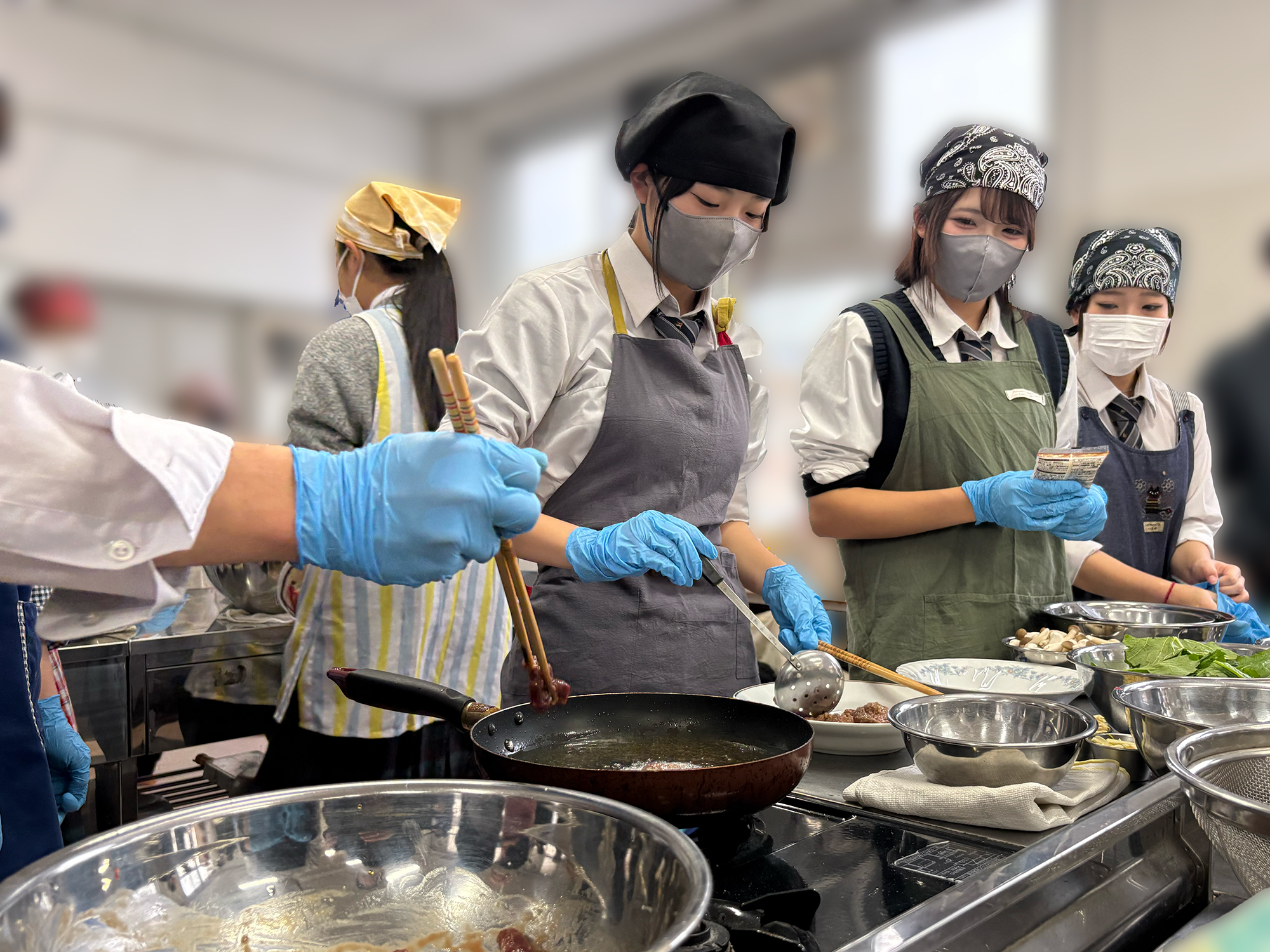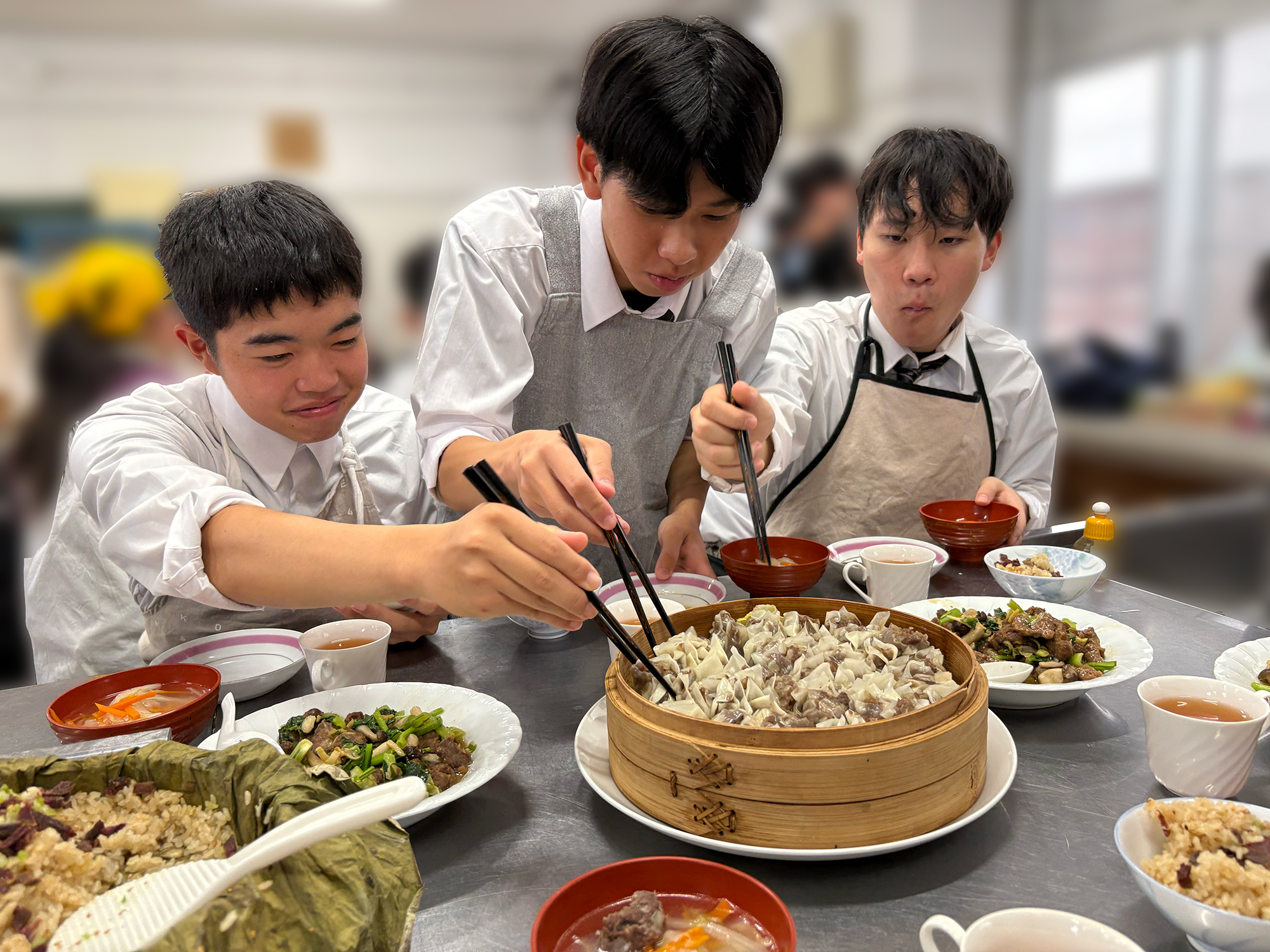

環境創造コース2年生は11月25日(火)本校において、ジビエ料理講習会に参加しました。これは、アクションプラン推進事業の第2回「捕獲害獣の活用」(第1回はくくり罠の設置)として実施されました。講師に富井シェフ(野沢温泉村中華料理「寿限無」)をお招きし、長野県農村生活マイスター協会下水内支部の皆さんと一緒に、調理をとおして捕獲されたクマとシカの肉の活用方法を学びました。
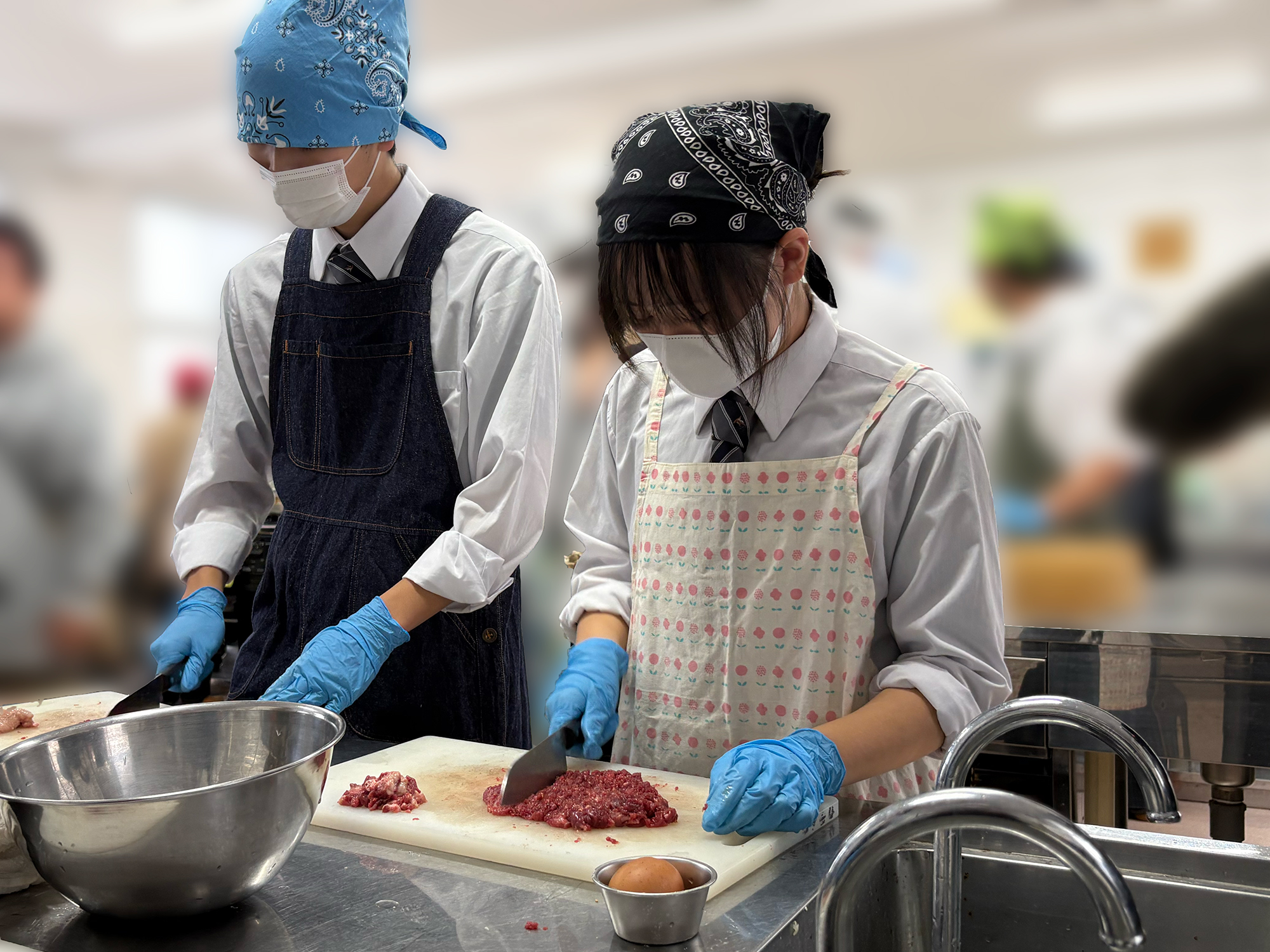
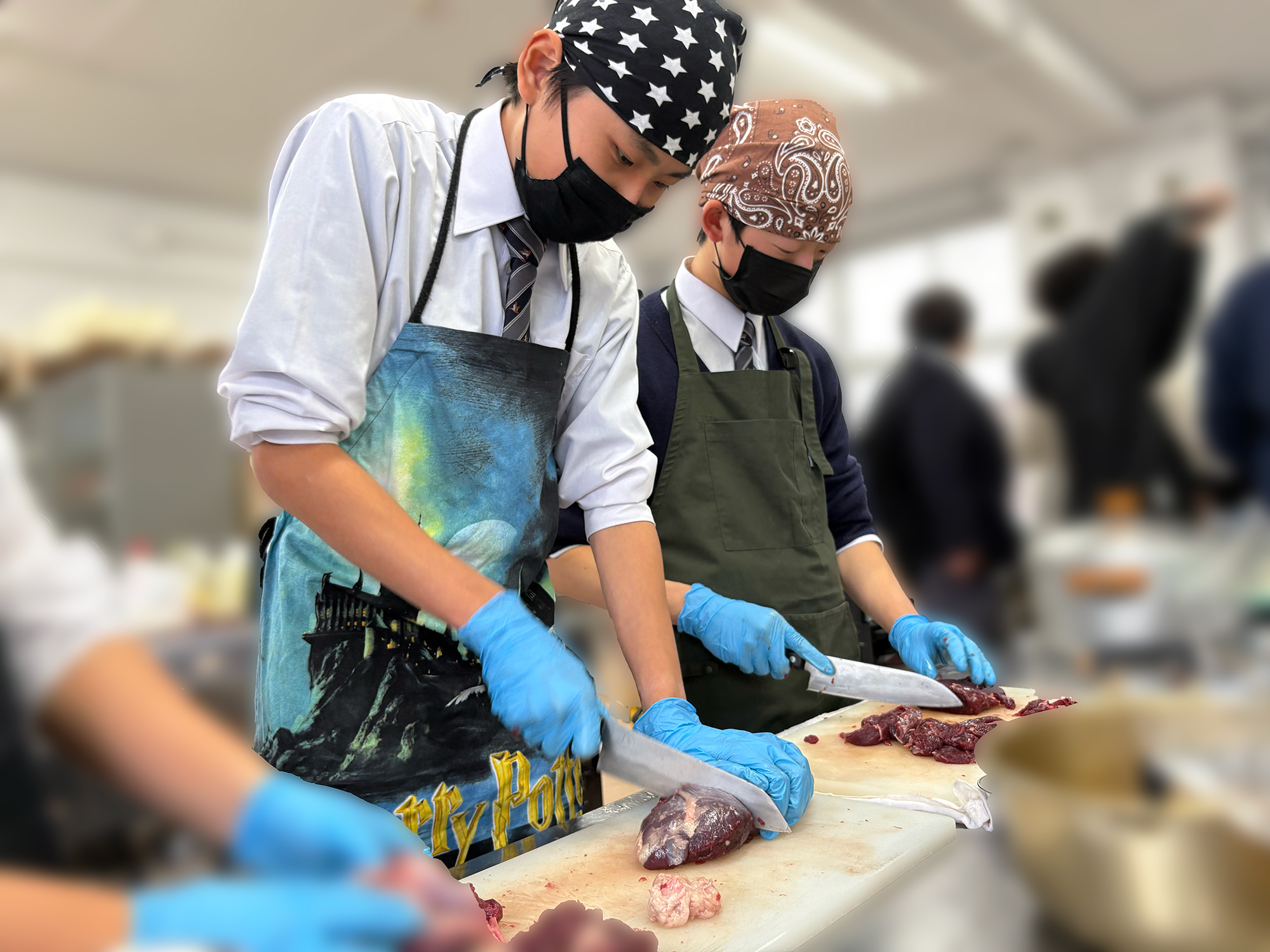
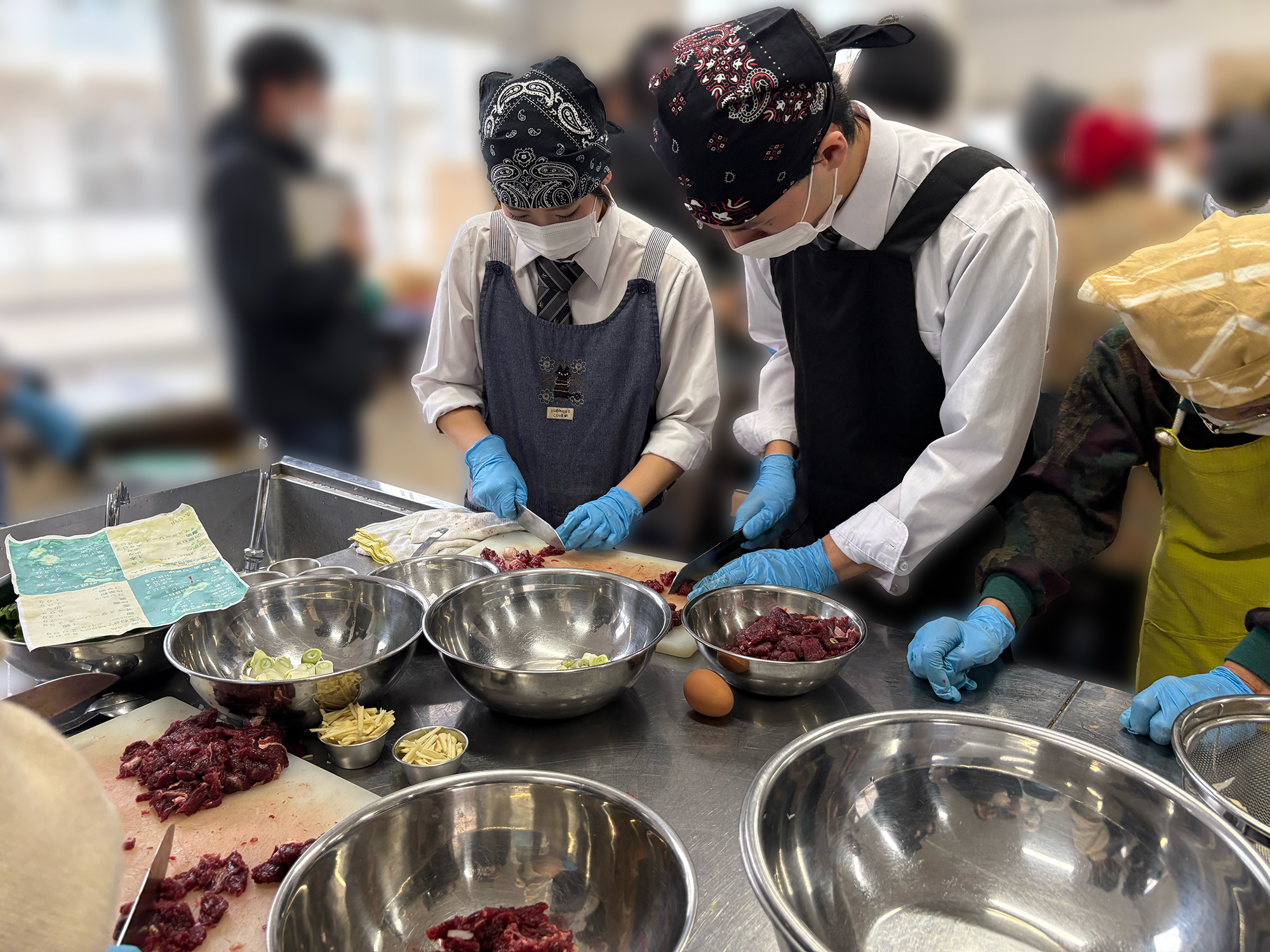
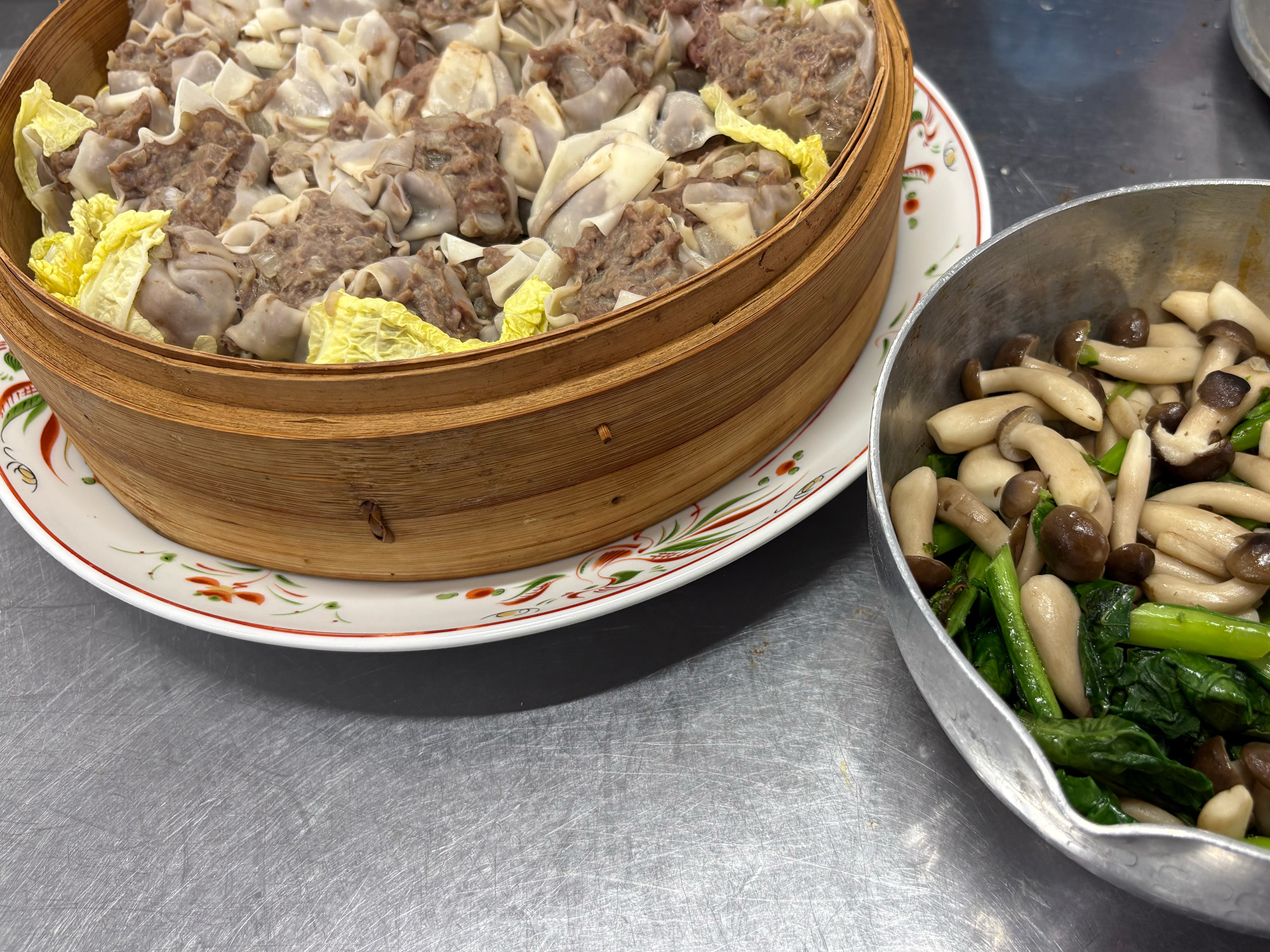
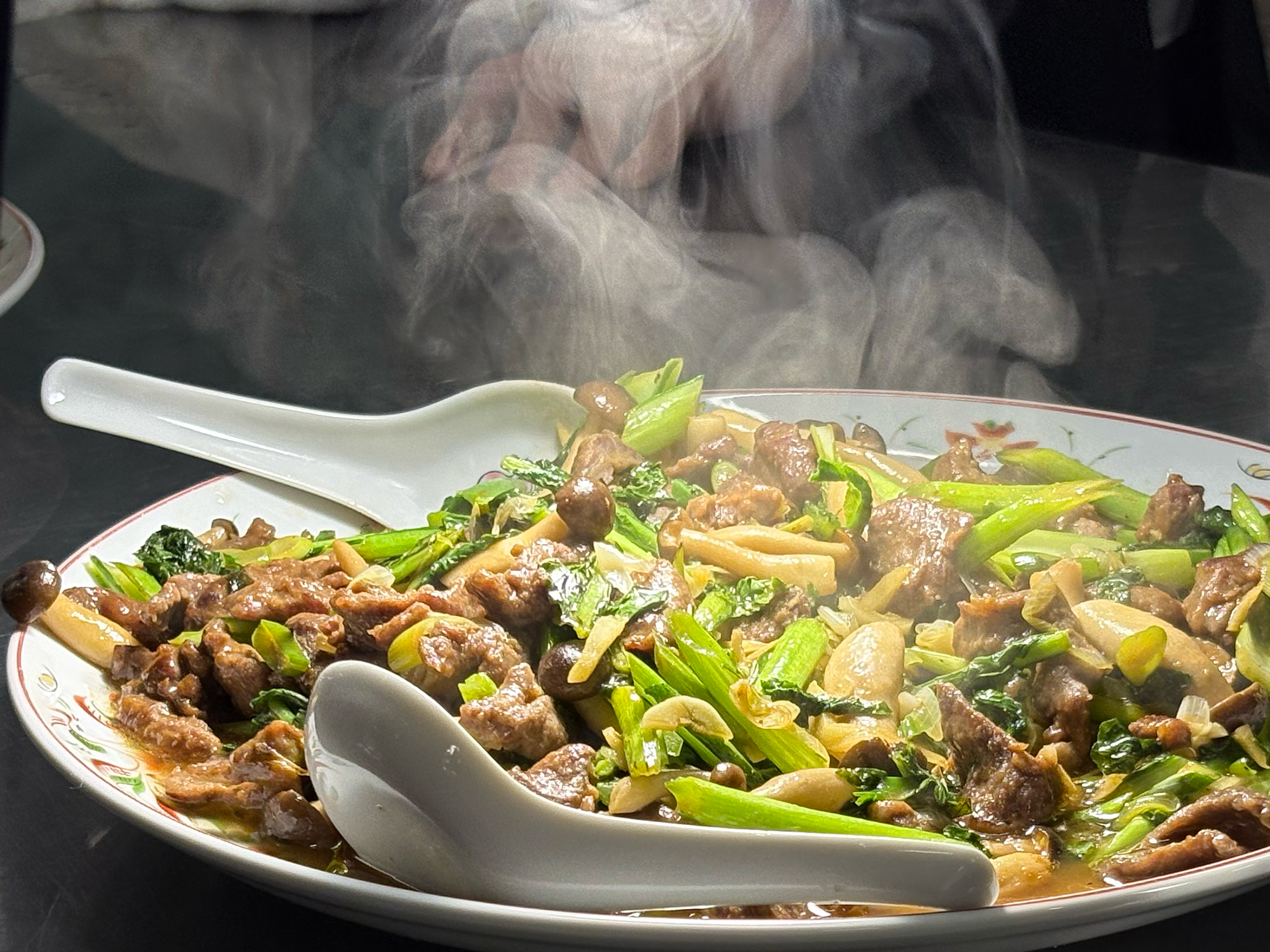
ジビエは、飼育された豚や牛の肉にくらべて固いため、切り分けやミンチにする際に、苦戦している様子でした。3時間余りをかけて調理したのは、チャーハン、野菜炒め、シューマイ、ワンタンスープの4品。いずれも、ジビエから連想される、臭みのような要素は感じられない美味しいものに仕上がりました。
マタギの方たちは、捕獲したクマを「授かりもの」と呼び、敬うそうです。「クマも悪気があって人里にでてきているわけではない。たまたま捕獲されたクマの命をいただいているということを忘れずにいたい」という試食後の生徒の言葉が印象的でした。授かったものを大切にする心。どんなときも忘れずにいたいものですね。
今回ご指導いただいた講師の富井様をはじめ、関係の皆様にこころより感謝申し上げます。
Second-year students in the Environmental Creation Course took part in a game meat cooking workshop at our school on Tuesday, November 25th. This was the second session of the Action Plan Promotion Project, “Utilizing Captured Wildlife” (the first session involved setting snare traps). We invited Chef Tomii from the Chinese restaurant Jugemu in Nozawa Onsen Village as our instructor, and together with members of the Shimominochi Branch of the Nagano Prefecture Rural Life Meister Association, the students learned how to make use of captured bear and deer meat through hands-on cooking.
Because game meat is tougher than farm-raised pork or beef, many students found cutting and mincing it challenging. Over the course of more than three hours, they prepared four dishes: fried rice, stir-fried vegetables, shumai, and wonton soup. Despite common assumptions about game meat, all the dishes turned out delicious and free from any strong or unpleasant odors.
Matagi hunters treat the bears they capture with respect, calling them “gifts.” One student left a profound impression after tasting the dishes, saying, “Bears don’t enter human settlements out of malice. We must remember that we are receiving the life of a bear that just happened to be caught.” The spirit of cherishing what we are given is something we should always hold dear.
We would like to express our sincere gratitude to Chef Tomii and everyone involved in making this workshop possible.